Hey everyone, let’s cut to the chase: when it comes to picking materials for schools, safety isn’t just a buzzword—it’s non-negotiable. As the owner of a flat laminated glass supply company, I’ve spent years talking to architects, school admins, and even the odd frustrated facilities manager who’s dealt with broken window glass turning into a total disaster. Lately, I’ve gotten so many questions: “Can flat laminated glass actually work for schools?” The short answer? Hell yeah, and I’m gonna break down why it’s not just a nice-to-have—it’s the smart pick for every K-12 and college campus out there. Flat Laminated Glass
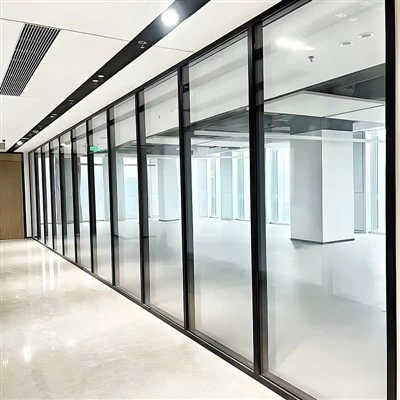
First off, let’s get real about what makes school spaces different. You’re not just building a generic office or a fancy retail spot. You’ve got 7-year-olds playing tag in the hallways, teens carrying backpacks slung over shoulders (and let’s be honest, sometimes flying through the air during a science fair demo), and thousands of people moving through those spaces every single day. Regular old annealed glass? That’s a ticking time bomb. If it breaks, it shatters into sharp, knife-like shards that can cause serious cuts—we’ve all seen those news clips of a kid running into a window, getting rushed to the ER, and that’s the kind of headache no school wants. Flat laminated glass? It’s made by sandwiching a thin layer of polyvinyl butyral (PVB) between two or more layers of glass, right? So when it breaks, the shards stick to that PVB layer instead of spraying everywhere. I’ve had architects tell me that’s the biggest selling point for them—no more cleaning up hundreds of tiny glass shards from playground mulch or cafeteria floors, no more worrying about a kid stepping on a hidden shard on the way to the nurse’s office.
Let’s talk durability too, because schools are tough on everything. We’ve had hail storms here in the Midwest that would crack even the most insulated regular glass, but our flat laminated glass? It takes way more impact without breaking. I remember two years ago, a high school in Dallas had a baseball go flying through a window during practice—regular glass would’ve exploded all over the field, but their laminated window just cracked spiderweb-style, no shards, no one got hurt. That saved them a ton of money too—no need to board up the window overnight, no emergency glass replacement at 2 a.m. when a storm’s rolling in. Schools have tight budgets, so avoiding those extra costs is a huge win. Also, laminated glass blocks way more UV rays than regular glass. Think about all the textbooks, lab equipment, and even art projects that sit near windows in classrooms. UV rays fade paper, ink, and paint faster than anything. I had an art teacher reach out last year saying her pastels were fading so fast she had to re-order them every month, but after switching to laminated glass, that cost dropped by like 70%. That’s the kind of small, consistent savings that adds up over a school year.
Wait, but what about things like sound? Schools can get crazy loud—lunchrooms during assembly, hallways between classes, band practice spilling out of the music room. A lot of people don’t realize that flat laminated glass has better sound insulation than regular glass too. The PVB layer absorbs sound waves instead of letting them pass through. I worked with an elementary school in Chicago that was right next to a busy train line. Their old windows made it impossible to hear the teacher read aloud during morning class, so they swapped to our laminated glass. Now the train noise is barely noticeable, and the teachers say classroom management is way easier. No more raising your voice over a horn or a train whistle—that’s a win for everyone, especially the kids with hearing issues or ADHD who struggle with background noise.
But let’s address the elephant in the room: price. I know what you’re thinking—“Laminated glass is more expensive up front, right?” Yeah, a little. But here’s the thing: when you factor in the long-term costs, it’s actually cheaper. Regular glass needs to be replaced way more often when it breaks, especially in high-traffic areas. You’ve got to pay for the glass, the installation, and then the time off school when they have to do the work. Our flat laminated glass is designed to last 25+ years with minimal maintenance—just a quick wipe with glass cleaner every now and then. I’ve had a middle school in Phoenix tell me that in 5 years, they’ve only had to replace one laminated window, compared to 12 regular windows in the same time frame. That’s a no-brainer. Also, most school districts get tax breaks or energy efficiency incentives for using materials that boost insulation, and laminated glass helps with temperature control too—keeps classrooms cooler in the summer, warmer in the winter, which cuts down on heating and cooling bills. That’s another win for the budget.
Wait, can we talk about safety beyond just broken shards? Flat laminated glass is also a lot harder to penetrate. I get asked all the time about security, especially for lower schools where windows are at kid height, or for storage rooms with expensive lab equipment. The PVB layer is strong enough to slow down forced entry, so it’s not like someone can just bash a window open in 10 seconds. That’s an extra layer of security for schools that have sensitive materials or need to lock down quickly. Also, for areas like stairwells or near playgrounds, building codes actually recommend laminated glass now—most state education departments have updated their guidelines to require impact-resistant glass for high-traffic areas, and flat laminated glass meets or exceeds all those codes. I work with a lot of school districts to make sure their glass is compliant, so there’s no hassle with inspections or city permits.
But hold up, is there any downside? Let’s be real, no material is perfect. Some people worry that laminated glass looks a little different—wait, no, modern flat laminated glass is totally clear, you can’t even tell there’s a PVB layer in it. We offer different thicknesses too, so if a classroom doesn’t need the heavy-duty impact resistance, we can do a thinner, more budget-friendly option. Another thing: when you do have to repair it, it’s way easier than you think. Most small cracks can be fixed without replacing the whole pane, which saves even more money. I had a college campus call me last semester because a cinder block cracked a small section of their library window—we came out, repaired it in an hour, and saved them $1,000 compared to full replacement. That’s the kind of service I pride myself on as a supplier, not just selling glass and disappearing.
Let me share a quick story that stuck with me. Last year, I visited an elementary school in Ohio that had a playground expansion. The old glass around the playground was regular, and the principal told me they’d had four kids cut their arms on shards in the past two years—nothing serious, but enough that parents were starting to complain. We talked them into swapping to our flat laminated glass, and a month later, the principal sent me a photo of a kid running into the window with a soccer ball, no tears, no cuts, just the glass cracking spiderweb-style. She said it was the best call they’d made that year. That’s the reason I do this—knowing that the stuff I supply is keeping kids safe, not just checking a box on a building plan.
So, to circle back: can flat laminated glass be used in schools? Absolutely. It’s safer than regular glass, it saves money long-term, it helps with energy efficiency, reduces noise, and meets all building codes. I know as a supplier, I’m not just selling glass—I’m providing peace of mind for admins, teachers, and parents who just want their schools to be safe, functional spaces for kids to learn and grow.
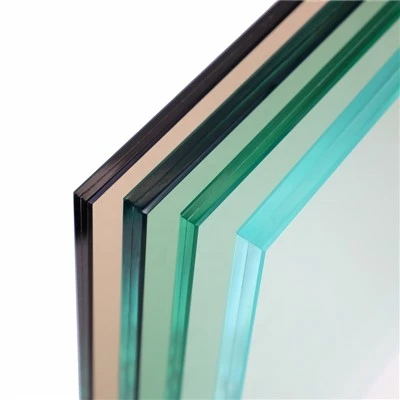
If you’re an architect, school administrator, or facilities manager looking to upgrade your school’s windows, doors, or even skylights, I’d love to chat. We work with projects big and small, from single classroom renovations to entire K-12 campuses, and we can hook you up with samples, quotes, and even advice on the best areas to use laminated glass (pro tip: playgrounds, stairwells, lunchrooms, and any windows near busy streets or sports fields). Drop us a line, no obligation—just want to help make school spaces better.
Flat Laminated Glass References:
- National Institute of Building Sciences. (2021). Building Code Requirements for School Facilities.
- Glass Association of North America. (2022). Laminated Glass Performance Standards for Educational Buildings.
- U.S. Department of Education. (2020). Safety and Security Guidelines for K-12 School Facilities.
Suzhou Dingcheng Tempered Glass Co., Ltd.
As one of the most professional flat laminated glass manufacturers and suppliers in China, we also support customized service. We warmly welcome you to wholesale high quality flat laminated glass made in China here from our factory. If you have any enquiry about free sample, please feel free to email us.
Address: No.777 Limin North Road, Lili Town, Wujiang District, Suzhou City, Jiangsu Province
E-mail: Dingchengglass@163.com
WebSite: https://www.dingchengglass.com/
