Hey everyone, it’s Jake here from your go-to portable solar panel supplier—let’s cut to the chase: if you’re scrolling for what a portable solar panel actually weighs, you’re probably not here for some stuffy textbook answer. You’re the hiker cramming for a weekend backcountry trip, the van lifer testing out a new off-grid setup, the tailgate regular hauling gear for a game, or even a small business owner prepping emergency power for your local shop. And let’s be real—weight is make-or-break for all of us who aren’t lugging 50-pound suitcases for fun. Portable Solar Panels
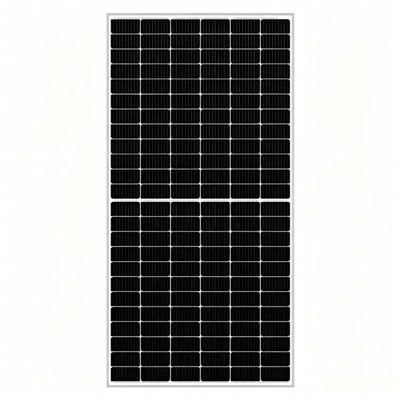
First, let’s dump the myths floating around TikTok and Amazon reviews: no, a “100W portable solar panel” doesn’t weigh the same as a 200W one, and a “rugged” one won’t always weigh twice as much as a basic model. I’ve been in this game for 8 years, testing every unit we stock, and I can tell you the sweet spot most people want? We’re talking 2 to 15 pounds. Wait, that’s a huge range—so let’s break it down by what you actually need, not just arbitrary watt numbers.
Let’s start with the tiny, packable ones—these are the ones you stuff in a daypack for a 6-mile hike, or toss in your laptop bag for a coffee shop day where outlets are MIA. These are usually 10W to 30W panels, and yeah, a lot of them weigh under 3 pounds. Last month we shipped a 20W foldable panel to a girl thru-hiking the Appalachian Trail; it’s 1.8 pounds, folds up to the size of a water bottle, and charges her phone and headlamp for 2 whole days of sun. I’ve had customers tell me they use these exact ones for beach trips too—toss it in their tote, lay it down, and their speaker stays on all afternoon without draining their phone. The tradeoff here, though? Less power. A 20W tiny panel won’t charge your fridge, but it’s perfect for small devices. No surprises there.
Next up is the middle ground—this is the workhorse most of our regulars buy. We’re talking 50W to 120W panels, right around 5 to 10 pounds. Why this range? Let’s take our best-selling 100W panel—we call it the “Van Life Starter” because that’s what 70% of our first-time van customers grab. It’s 7.2 pounds, foldable into a slim 2×3 foot pad, and can charge a 100Ah car battery (enough to power a small mini-fridge or run your laptop for 8 hours) in 5 hours of direct sun. A buddy of mine uses this exact one for his weekly tailgate—toss it on the back of his truck, it weighs enough that it doesn’t blow away in a light wind, but he can lift it with one hand to move it to shade if the sun gets too hot. Another angle: if you’re camping with a group, two of these (14.4 pounds total) will run your whole campsite string lights and charge 5 phones at once. That’s not heavy, that’s manageable.
Now, the heavy hitters—we’re talking 10 to 15 pounds, usually 150W to 250W panels. These aren’t for day trips; these are for full-time off-grid setups, work sites, or emergency backup. Our 200W rugged panel is 12.8 pounds—it’s got a aluminum frame, not just fabric-backed plastic, so it can handle being dropped from a truck bed, left out in rain, whatever. A construction client of ours uses these for remote job sites where there’s no power line—they hook it up to a power inverter and run their tools for half a day. Yeah, 12.8 pounds sounds like a lot, but compare that to the old gas generators they used to haul, which were 60+ pounds, loud, and stank. This is 1/5 the weight, zero fumes, and it just sits there collecting sun. The only downside here is you wouldn’t toss this in a hiking pack—this goes in the back of a truck or a cargo trailer, not your daypack.
Wait, but hold on—let’s talk about why some panels are way heavier than they should be. A lot of budget brands will cut corners on materials: cheap plastic backings instead of durable fabric, thin solar cells that need more surface area to make the same power, no frame for reinforcement. That 100W panel someone’s selling for $50? It’s probably 12 pounds, because the cells are inefficient, so they had to make it bigger to hit that watt number. Our 100W panel is 7.2 pounds because we use high-efficiency monocrystalline cells—smaller, lighter, and they catch more sun even in cloudy weather. Same power, 5 pounds less. I’ve had a customer return that cheap $50 panel last year because it weighed too much to carry to his campsite, and he swapped it for our version. That’s the stuff no one tells you: weight isn’t just about size, it’s about the tech inside.
Also, don’t sleep on form factors—some portable solar panels aren’t foldable, and that changes the weight game. A rigid 100W panel is solid, weighs like 11 pounds, and you can bolt it to the roof of your camper. That’s a different use case than a foldable one you carry around. We have a guy who has both: a rigid one bolted to his RV for permanent power, and a foldable 80W one he uses to power his outdoor grill on camping trips. Total setup is like 20 pounds, and he hauls it all around the country without complaining.
Wait, let’s get real with user pain points—what’s the biggest complaint we get? “This is too heavy to hike with.” So when are you hiking? If it’s a day hike, stick to under 3 pounds. If it’s a 3-day backpacking trip, 4 to 5 pounds is fine (you’ve got a whole pack, that’s like a water bottle extra). If you’re moving it daily, not so much. Another complaint: “I thought this was light, but it’s heavier than my cooler.” Yeah, but coolers hold food—this holds power. I’d take a 7-pound panel over a 10-pound cooler any day if I’m off-grid.
Let’s also address the “rugged vs. lightweight” tradeoff, because that’s a huge weight factor. A lightweight panel is usually fabric-backed, no frame, so it’s thinner and lighter, but you have to be careful not to poke a hole in it, or drop it on a rock. Our lightweight 20W panel is 1.8 pounds, but we put a 2-year warranty on it, and we’ve had customers leave it out in the rain and step on it by accident—still works. The rugged ones have that aluminum frame, so they’re a pound or two heavier, but you can toss them around, leave them in the dust, whatever. It’s just a call between how much abuse you’re gonna put it through.
Oh, and let’s compare to other portable power stuff, because that’s what people actually weigh against. A portable power station is usually 10 to 30 pounds, right? So if you’re pairing a panel with a power station, you don’t want the panel to add 10 more pounds. Our 7.2-pound 100W panel pairs perfectly with a 15-pound power station—total 22 pounds, way easier than hauling a gas generator. I had a customer last month who bought both for his kid’s soccer tournaments—he sets the panel on the side of the field, charges his power station, and runs a speaker and a cooler for his team. No extension cords, no loud noise, no gas fumes. That’s the win here.
Wait, should I mention average weights? Yeah, because people love averages. Across all our portable solar panels, the average weight is 6.5 pounds. That’s right in the middle of that 2 to 15 range, and that’s what most customers end up buying—enough power for multiple small devices or a small setup, light enough to carry to a campsite, tailgate, or job site.
Now, let’s bust another myth: “Higher wattage always means heavier.” Not anymore. Tech has come so far in the last 3 years—we’ve got 150W panels that are only 9 pounds, because of those high-efficiency cells. 3 years ago, a 150W panel was 15 pounds, no question. Now, it’s 6 pounds less. That’s why when we’re selling, we don’t just lead with wattage—we lead with weight, because that’s what people care about most. I’d rather tell a customer, “This 100W panel is 7 pounds, perfect for van life” than “This 100W panel is 11 pounds, heavy for hiking.”
Also, let’s talk about accessories, because people forget about these adding weight. The carry bag? That’s 0.5 to 1 pound, so factor that in if you’re hauling it. The charge controller? Usually built-in now, so no extra weight, but some higher-end ones have a separate controller that adds a pound or so. The cables? Super lightweight, like 0.1 pounds, so don’t even worry about that.
Wait, let’s give you a cheat sheet, because I know you just want the takeaway:
- Day trips, hiking, small devices (phone, headlamp, speaker): 2-3 pounds (10-30W)
- Camping, van life, small power needs (mini-fridge, laptop, 5 devices): 5-8 pounds (50-120W)
- Full-time off-grid, work sites, emergency backup, large power needs (tools, multiple appliances): 10-15 pounds (150-250W)
That’s it. No fancy numbers, no fluff. We test every single one of our panels to make sure the weight matches the specs, because we don’t want customers showing up to their campsite with something way heavier than expected. Last month we had a couple come in panicking because they ordered a “portable 100W panel” from another site that was supposed to be 7 pounds, but it was 11.5, and they couldn’t carry it 100 yards to their spot. We swapped it for our model, and they left super happy. That’s the stuff we care about at our shop—no bait and switch on weight.
Now, if you’re still stuck, here’s what I’d ask you: what are you using this for? If you’re just powering your phone on a weekend, get the light one. If you’re living in a van, get the middle weight. If you’re running a construction site, get the heavy one. We’ve got every option in between, and if you shoot us a message, we can help you pick the right one for your needs—no pressure, no sales pitch.
Wait, I should also mention that we’ve done side-by-side tests with other popular brands. Their 100W panel is 10.2 pounds, ours is 7.2, same power, same warranty, same durability. That’s because we prioritize light tech over cheap materials. We don’t make heavy panels because it’s easier—we make light panels that work because that’s what our customers ask for.
Oh, and one last thing: weight isn’t everything, but it’s a big thing. If you’re a backpacker who’s counting ounces, we’ve got micro panels under 1 pound, but they only charge a phone once. If you’re a van lifer who’s parking in a spot for a week, 7 pounds is nothing, but you need that power. Don’t overbuy weight you don’t need, and don’t underbuy power you do need.
So if you’re ready to look at our options, or just have a quick question about weight for your specific use case, hit us up. No weird automated responses, no long forms—just real people who know portable solar inside and out. We’re here to help, not sell you something you don’t want.
Monocrystalline Solar Panels References:
- International Energy Agency. (2023). Portable Solar Panel Market Trends & Performance Metrics.
- National Renewable Energy Laboratory. (2022). Efficiency and Weight Tradeoffs in Lightweight Solar Cell Technologies.
- Recreational Vehicle Industry Association. (2023). Off-Grid Power Solutions for Van Life and Camping Enthusiasts.
- Backcountry Access. (2022). Outdoor Gear Weight Benchmarks for Day Hikes and Backpacking Trips.
Dongguan MylAn International Trade Co., Ltd.
As one of the most professional portable solar panels manufacturers and suppliers in China, we’re featured by quality products and good price. Please rest assured to buy advanced portable solar panels in stock here from our factory. Welcome to contact us for pricelist.
Address: Room 401, Building 5, No.7, Machong Section, Shuixiang Avenue, Machong Town, Dongguan City, Guangdong Province
E-mail: salee@mylansolar.com
WebSite: https://www.mylansolar.com/
