When I first started working as a supplier of flexible PVC air ducts, one of the most common questions I’ve fielded from food processing plant managers is this: can flexible PVC air ducts actually hold up in their industry? For years, there’s been a lot of hearsay and conflicting information out there—some say they’re too soft, others worry about chemical leaching, and a few still repeat old myths about plastic materials contaminating food products. But after working closely with dozens of food processing facilities, running our own lab tests on every duct we ship, and collaborating with food safety consultants, I can say with confidence that the answer isn’t a simple “yes” or “no.” It all comes down to understanding what food processing environments demand, and making sure you choose the right flexible PVC duct for the job. Flexible PVC Air Duct

Let’s start with the basics of what makes food processing unique. Unlike a regular warehouse workshop where temperature swings and dust are the main concerns, food plants have layers of requirements that can’t be overlooked. First, there’s strict adherence to food safety regulations—think FDA standards in the U.S., EU 1935/2004 in Europe, and similar guidelines around the world. These rules aren’t just suggestions; they dictate every material that touches air that comes into contact with food, or air that circulates through processing lines, storage areas, and packaging zones. Then there’s the matter of sanitation: food plants clean their equipment and ductwork regularly, often using harsh chemicals, high-pressure washdowns, and even steam sterilization. Any duct material used here has to stand up to that without breaking down, shedding particles, or harboring bacteria. And don’t forget the practical stuff: food processing plants have unique airflow needs—from exhausting fumes from cooking or baking to ventilating cool storage areas, moving dust from grain or sugar processing, and even controlling humidity in dry goods sections. Flexible PVC ducts, in theory, check a lot of boxes for these needs, but not all PVC is created equal.
A few years back, I had a client who ran a small bakery in the Midwest. They’d been using a basic, off-brand flexible PVC duct for their exhaust hood over their oven, and they started noticing small, clear plastic pieces turning up in their packaged cookies. Panicked, they called me—turns out the duct they were using was made with low-grade PVC that had cheap plasticizers designed only for indoor, low-use applications. Those plasticizers broke down after a few months of exposure to the oven’s heat and the bakery’s frequent deep-cleaning, and tiny fragments were blowing into the exhaust line, which then drifted into the product packaging. That’s the kind of mistake that makes plant owners wary, and it’s why we stopped offering generic PVC ducts years ago. Instead, we focused on manufacturing flexible PVC ducts specifically formulated for high-stakes environments, with materials that meet food-grade standards.
The key here is food-grade flexible PVC, which differs from regular PVC in two critical ways: its composition and its durability. Regular PVC uses phthalate plasticizers to keep it soft and flexible, but some of those compounds can leach when exposed to oils, high temperatures, or cleaning chemicals—exactly the conditions you find in food processing. Food-grade flexible PVC, though, uses non-toxic, food-safe plasticizers (many derived from vegetable oils or other compliant materials) that won’t leach into air or come into contact with food products. Our ducts, for example, are tested annually to ensure they meet FDA 21 CFR Part 177.1520, which governs polymers used in food contact applications. That means they’re certified to not release harmful substances when exposed to the types of compounds common in food plants—from animal fats in meat processing to flour dust and sugar in confectionery facilities.
Next, let’s talk about durability in washdown environments. Food processing plants rely on regular deep cleaning to prevent cross-contamination and foodborne illness, and that means ductwork has to withstand repeated exposure to water, detergents, and sometimes even food-grade sanitizers like hydrogen peroxide or quaternary ammonium compounds. Standard flexible PVC ducts will start to crack, fade, or break down after a few washdowns, because their material isn’t formulated to handle that kind of exposure. Our food-grade ducts, though, have a reinforced outer layer (usually polyester or nylon mesh) that gives them extra tear resistance, and they’re treated with a chemical-resistant coating that repels water and sanitizers, so they don’t degrade over time. I’ve had another client, a poultry processing plant in Texas, run tests on our ducts after a year of use—they told us their ducts looked almost identical to the day they installed them, and there was no sign of plasticizer breakdown or particle shedding, even after daily high-pressure washdowns.
Heat resistance is another big factor for food processing, especially for operations like baking, frying, or smoking. Basic flexible PVC can only handle temperatures up to around 140°F, which is fine for some ventilation jobs, but it’s not enough for exhaust hoods over a deep fryer, where temperatures can hit 350°F or more. The good news is that food-grade flexible PVC can be modified to handle higher temperatures—our heavy-duty heat-resistant PVC ducts, for example, can operate continuously up to 250°F, and short-term exposure up to 300°F. That’s more than enough for most high-heat food processing applications, and it’s a big reason why our heat-resistant models are popular with pizza shops, bakeries, and even some meat smoking facilities.
But let’s not pretend flexible PVC is the right choice for every food processing task. There are some scenarios where it might not be the best option, and that’s important to know to avoid costly mistakes. For example, if you’re working with extremely high-heat applications (like industrial oven exhaust that hits 500°F), flexible PVC might not hold up—you’d be better off with a metal duct or a high-temperature silicone duct. Also, if you’re moving highly corrosive fumes, like from fruit processing where citric acid fumes are common, some PVC formulations might react over time, though our chemical-resistant models work well for most of those cases. Another caveat: flexible PVC ducts are not recommended for direct food contact, but in food processing, they’re almost always used for air ventilation, not product handling, so that’s rarely an issue. The key is to match the duct to the specific job, not just go with a one-size-fits-all option.
I’ve also found that food processing plants often overlook how easy flexible PVC ducts are to install and maintain, which is a huge benefit. Unlike rigid metal ducts, which take hours to cut and mount, flexible PVC ducts can be adjusted to fit around existing equipment, pipes, and beams in a matter of minutes. That’s a big plus for plants that need to make quick changes to their ventilation setup, or for smaller facilities that don’t have a dedicated HVAC team. Maintenance is easy too—because our food-grade ducts are resistant to dust buildup (thanks to their smooth inner lining), you can wipe them down with a sanitizer cloth instead of having to take them apart for deep cleaning, which saves a lot of time and labor.
A few years ago, we partnered with a food safety consultant who works with 20+ food plants across the Midwest, and she helped us fine-tune our duct specs to meet even stricter industry standards. She pointed out that many plant owners were worried about mold growth inside ducts, which is a valid concern—mold can spread into ventilation systems and contaminate air, which then comes into contact with food. So we added a mold-inhibitive agent to our food-grade PVC formula, which prevents mold and bacteria from growing on the duct’s inner and outer surfaces. That small change made a huge difference, and now many of our clients cite that as one of the main reasons they switched to our ducts instead of other brands.
Of course, no supplier can promise a “perfect” product, and we’re always transparent about the limitations of flexible PVC in food processing. For example, if you’re working in a facility that processes raw meat and needs to move air through a closed loop system, you might want a duct with even higher sanitary ratings, which we offer with our “ultra-clean” food-grade PVC that’s been tested for low particulate emission. If you’re in a cold storage warehouse where temperatures drop to 40°F or lower, our flexible PVC ducts won’t become brittle—we’ve tested them at temperatures down to -20°F, so they stay flexible even in cold environments, which is a big advantage over some rigid materials.
Another common question is about compliance with global standards. We export our flexible PVC ducts to facilities in Canada, the EU, and Asia, so we make sure every model meets the local food safety rules. For European clients, our ducts are tested against EU 1935/2004 and the German LFGB standards, which are some of the strictest in the world. For Canadian plants, they meet the Canadian Food Inspection Agency (CFIA) guidelines. That means no matter where your food processing operation is located, we can provide a duct that’s compliant with your region’s regulations, so you don’t have to worry about failing an audit or getting cited for non-compliance.
I think the biggest misconception out there is that all plastic duct materials are risky for food processing. The reality is that it comes down to two things: the quality of the PVC and whether it’s formulated for food-safe use. A cheap, untested PVC duct might leach chemicals or shed particles, but a high-quality food-grade flexible PVC duct that meets regulatory standards is not only safe—it’s often more practical than metal or silicone ducts for many applications. I’ve seen too many plant owners waste money on expensive metal ducts when a properly selected flexible PVC duct would do the job just as well, at a lower cost and with easier installation.
If you’re a food processing plant manager wondering if flexible PVC ducts will work for your operation, the first step is to map out your specific needs. What’s the temperature of the air you’re moving? What kind of cleaning chemicals do you use? Are there any contaminants in your air (like flour dust or cooking oils)? Do you need to meet specific local regulations? Once you have those answers, you can work with a reputable supplier who can guide you to the right PVC duct. For us, that means offering a range of food-grade flexible PVC ducts, from standard models for general ventilation to heavy-duty heat-resistant and chemical-resistant options for more demanding jobs, all backed by third-party testing and compliance certificates.
I recently had a client who runs a confectionery plant, making chocolate and candy bars. They were using metal ducts for their mixing room ventilation, and they were dealing with rust buildup and condensation that was dripping into their product storage. They switched to our food-grade flexible PVC ducts, and within a few months, they reported that the condensation was gone, there was no rust, and the ducts were so easy to clean that their maintenance team’s workload dropped by 15 hours a week. That’s the kind of win that makes all the work worth it—knowing that our ducts are not only safe and compliant, but they’re also making our clients’ operations more efficient and cost-effective.
So to circle back to the original question: can flexible PVC air ducts be used in food processing industries? The answer is yes—if you choose the right food-grade, chemically resistant, and properly formulated flexible PVC duct, designed to meet your facility’s specific temperature, cleaning, and regulatory needs. The key is to skip the generic, untested PVC ducts and work with a supplier who understands the unique demands of food processing, and who can provide you with documentation to prove your ducts meet FDA, EU, or other local food safety standards.
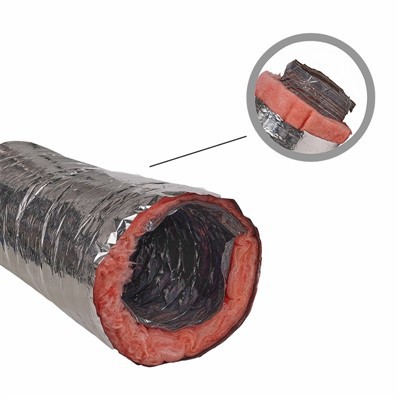
If you’re considering upgrading your ventilation ducts, or if you’ve had a bad experience with PVC ducts in the past, don’t hesitate to reach out. We’d be happy to walk through your facility’s needs, share our testing results and compliance certificates, and help you find the right flexible PVC duct that keeps your operation safe, compliant, and running smoothly.
Clip Industrial Fabric Air Duct References
- U.S. Food and Drug Administration (FDA). (2024). 21 CFR Part 177.1520 – polymers for food contact.
- European Commission. (2004). Regulation (EC) No 1935/2004 on materials and articles intended to come into contact with food.
- Food and Agriculture Organization (FAO). (2022). Guidelines for Ventilation Systems in Food Processing Facilities.
- National Sanitation Foundation (NSF). (2023). Standard 51 – Food Equipment Materials.
- Canadian Food Inspection Agency (CFIA). (2023). Food Grade Materials and Products Regulations.
Address: NO.5 CHENGDONG ECOLOGICAL INDUSTRIAL ZONE, DONGYANG, ZHEJIANG, CHINA.
E-mail: sales@hstube.com
WebSite: https://www.ductword.com/
