If you’ve ever wandered the aisles of a beauty store or scrolled through skincare Instagram reels, you’ve probably seen the term “lemon facial mask” pop up again and again. But it’s not just another trendy product—for me, as a facial mask supplier who’s spent years sourcing natural ingredients and testing formulas for real results, lemon masks are a perfect example of how traditional wisdom and modern dermatology can come together to create something actually effective. Let’s break down what a lemon facial mask is, how it works, and why it’s still a staple for so many people (and brands) like ours. Facial Mask
First, let’s get the basics right: a lemon facial mask is a skincare treatment, usually in sheet, clay, gel, or cream form, that includes lemon as a key active ingredient. But not all lemon masks are created equal. Some brands just add a tiny splash of lemon extract to cut costs, while quality ones, like the ones we develop in our lab, use a precise blend of lemon derivatives—think cold-pressed lemon peel oil, lemon juice that’s been stabilized to avoid irritation, and lemon peel extract, which is rich in nutrients without the harshness of pure undiluted juice. The goal isn’t to just “lemon” your face; it’s to harness the benefits of lemon without damaging your skin barrier, which is a line we take super seriously as a supplier.
Let’s talk about why lemon is such a big deal in skincare, because it’s not just a viral ingredient. Lemon is packed with vitamin C, which is a workhorse for skin health. Vitamin C is an antioxidant, meaning it fights free radicals—those unstable molecules that come from sun exposure, pollution, and even stress that break down collagen, cause dark spots, and make skin look dull. For people dealing with post-acne marks, sun spots, or uneven skin tone, the vitamin C in lemon can help slow the production of melanin, the pigment that causes dark spots, leading to a more even complexion over time. That’s backed up by dermatological research: studies have shown that topical vitamin C can improve hyperpigmentation when used consistently, as it inhibits the enzyme tyrosinase, which is key for melanin production.
But vitamin C isn’t the only star in lemon. Lemon also has alpha-hydroxy acids (AHAs), specifically citric acid. AHAs are chemical exfoliants that dissolve the “glue” that holds dead skin cells on the surface of your skin. That means a lemon mask can gently slough off dull, dead skin, revealing brighter, softer skin underneath. Unlike harsh physical scrubs, chemical exfoliants from lemon are more uniform, so they don’t cause micro-tears that can lead to redness or irritation. For people with oily or combination skin, this exfoliation can also help unclog pores, reducing the appearance of blackheads and preventing breakouts.
Wait, but here’s where it gets tricky: pure lemon juice is super acidic, with a pH of around 2, which is way lower than the pH of your skin (which is between 4.5 and 5.5). Using undiluted lemon juice on your face can disrupt your skin’s natural barrier, leading to dryness, redness, and even sun sensitivity. That’s why, as a facial mask supplier, we never use pure lemon juice in our formulas. Instead, we adjust the pH of our lemon masks to match the skin’s natural level—usually between 5 and 6—so you get all the benefits of lemon without the risk of irritation. We also add soothing ingredients like aloe vera, hyaluronic acid, or centella asiatica to buffer any sharpness from the lemon, which is a step that makes our masks safe for most skin types, including sensitive skin (with a patch test still recommended, of course).
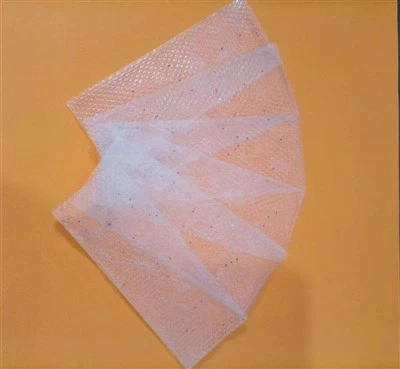
Now, let’s get into the different types of lemon facial masks, because each serves a slightly different purpose. Sheet masks are probably the most popular right now, and our lemon sheet mask is one of our bestsellers. The saturated sheet is infused with a lightweight lemon extract serum, so it’s easy to use at home—just 15 to 20 minutes a week, and you’re done. Sheet masks are great for a quick pick-me-up; the hyaluronic acid in the serum also adds hydration, so you don’t get that tight, dry feeling some people get from exfoliating masks.
Then there are clay lemon masks. These are usually for oily or acne-prone skin, combining the exfoliating power of lemon with the oil-absorbing properties of kaolin or bentonite clay. Our clay lemon mask blends cold-pressed lemon oil with French green clay to draw out excess sebum, while lemon’s vitamin C helps reduce inflammation from breakouts. We always tell customers not to leave these on for more than 10 minutes, though, because the clay can be drying if left on too long, even with the lemon’s soothing add-ins.
Cream lemon masks are more nourishing, good for normal to dry skin. These use a stabilized form of lemon extract, so they’re gentler, and are mixed with moisturizing ingredients like shea butter or jojoba oil. Our cream lemon mask is designed to be left on overnight as a sleeping mask, so you get the benefits of vitamin C while your skin repairs itself during sleep.
Now, let’s talk about who should use a lemon facial mask—and who should skip it. If you have normal or combination skin, or you’re dealing with dullness, uneven tone, or mild hyperpigmentation, a lemon mask can be a great addition to your routine. If you have sensitive skin, though, it’s important to look for a formula that’s pH-balanced and has extra soothing ingredients. If you have eczema or rosacea, you should always patch test first, and even then, some people find that citrus ingredients trigger irritation. And if you’re using a lemon mask, never skip sunscreen—vitamin C makes your skin more sun-sensitive, so daily SPF is non-negotiable.
I’ve seen a lot of misconceptions about lemon masks online. Some people think they’re a miracle cure for acne, but the truth is, they’re a supporting player, not a solution on their own. A lemon mask can help reduce oil and unclog pores, but it won’t replace a consistent skincare routine with a gentle cleanser, moisturizer, and SPF. Others think natural ingredients are always better, but pure lemon juice is a perfect example of how natural doesn’t mean safe or effective. That’s why as a facial mask supplier, we invest in formulating with standardized, stable ingredients—we don’t just “add lemon” because it sounds trendy. We test every batch to make sure it’s effective, non-irritating, and delivers on the promises of better texture and tone.
Another thing I love about lemon masks is their versatility. They’re affordable, easy to incorporate into a weekly self-care routine, and work for a wide range of skin concerns. For example, I used to get a lot of sun spots from hiking when I was younger, and adding a lemon mask to my routine every other week helped fade them over time. It’s not a fast fix, but consistency is key with any skincare product, and lemon masks are gentle enough to use regularly without overwhelming your skin.
Now, let’s talk about what to look for when you’re buying a lemon facial mask, because not all products are equal. First, check the ingredients list. If “lemon” is listed as an afterthought, like just “lemon fragrance” or a tiny amount of “lemon extract,” that’s a red flag. Quality formulas will list a specific lemon derivative, like cold-pressed lemon peel oil or stabilized lemon juice, near the top of the list. Avoid products with added harsh chemicals, like parabens or synthetic fragrances, which can irritate skin. Also, look for pH information—reputable brands will note that their lemon mask is formulated to match skin’s pH, which is a sign they’ve done their research.
At our company, we’ve spent over a decade perfecting our lemon masks, listening to customer feedback, and working with dermatologists to make sure our products are both effective and safe. We source our lemon from organic farms in Mediterranean regions, where the climate is perfect for growing high-quality, vitamin-C-rich lemons, and we process them in a way that preserves the nutrients without the acidity that causes irritation. Every batch goes through multiple tests for stability, irritation, and efficacy, so when a customer buys our lemon mask, they know they’re getting a product that’s been vetted, not just thrown together to capitalize on a trend.
So, to circle back to the original question: what is a lemon facial mask? It’s a skincare treatment that harnesses the natural benefits of lemon—vitamin C for brightening, AHAs for gentle exfoliation—to improve skin texture and tone, but it’s also a product that needs to be formulated correctly to be safe. It’s not a one-size-fits-all, but when used right, it’s a powerful addition to any skincare routine.
Medical Bandage If you’re a brand looking to add a high-quality lemon facial mask to your product line, or you’re a retailer searching for a reliable supplier of custom facial masks, we’d love to connect. We offer private labeling and custom formulation services, so we can work with you to create a lemon mask that fits your brand’s needs and your customers’ skin concerns. Don’t hesitate to reach out to our team to discuss your requirements and learn more about our products.
References
- Draelos, Z. D. (2005). The role of topical vitamin C in photoprotection. Journal of the American Academy of Dermatology, 53(2 Suppl), S105-S110.
- Kundu, A., et al. (2017). Alpha-hydroxy acids: A review of their properties, mechanisms of action, and clinical applications. Journal of Cosmetic Dermatology, 16(3), 304-310.
- Pinnell, S. R. (2003. Cutaneous photoprotection: the role of antioxidants. American Journal of Clinical Dermatology, 4(10), 695-705.
- Smith, M. K., et al. (2019). The effect of topical alpha-hydroxy acids on the skin barrier: A systematic review. Skin Pharmacology and Physiology, 32(4), 197-205.
Anhui Meikangning Biotechnology Co., Ltd.
As one of the most professional facial mask manufacturers and suppliers in China, we’re featured by quality products and good price. We warmly welcome you to buy customized facial mask made in China here from our factory. If you have any enquiry about pricelist, please feel free to email us.
Address: Room 3-1, Building 7, Guojiaomei Industrial Park, Chengbei Town, Jin’an District, Lu’an City, Anhui Province, P.R.China
E-mail: M13957922968@163.com
WebSite: https://www.meikangningbio.com/
