Hey there, Net Weighing Bagger
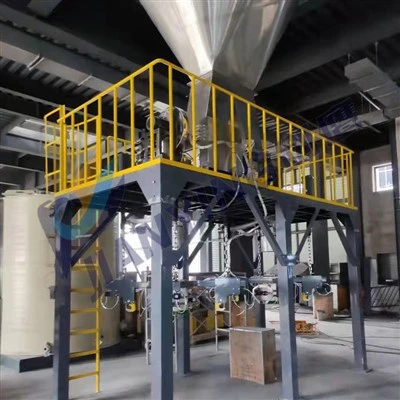
If you’re here, chances are you’re either looking to buy a net weighing bagger for your production line, or you’re on the hunt for certifications to make sure whatever bagger you end up with is safe, reliable, and won’t land you in hot water with regulators. As someone who’s been selling net weighing baggers for over 12 years—man, I’ve seen it all, from small craft granola makers to big industrial salt producers—I get how confusing this stuff can be. A lot of new buyers ask me, “Do these machines even need certifications?” And yeah, that’s a loaded question because the answer isn’t just yes or no—it depends on where you’re based, what you’re packing, and who’s going to be operating them.
First off, let’s cut through the noise: not all certifications are created equal, and some are mandatory, others are just a good move to keep your line running without hiccups. Let’s start with the big ones that I see every day, because these aren’t just fancy pieces of paper—they actually mean something for your business.
The first and most important one for most of my clients is ISO 9001. Wait, before you zone out on the acronyms, hear me out. ISO 9001 is all about quality management systems, right? But when it comes to net weighing baggers, that means the machine’s designed consistently, built to spec, and tested before it leaves our factory. I don’t just slap this on our baggers because it looks good—this certification means every single bagger I ship has gone through the same checks: the load cells are calibrated right, the filling speed is accurate, and there’s no weird wobble that’ll throw off your product weights. For food and pharmaceutical clients, this is non-negotiable because regulators trust ISO 9001 as proof we’re not cutting corners. A few years back, I had a client who skipped checking this and got a bagger from a random overseas supplier—they had to shut down their line for 3 days to fix fill errors, cost them thousands in lost production. That’s the kind of headache ISO 9001 prevents before it starts.
Next up, if you’re selling food, cosmetics, or anything that touches people—you need 3-A Sanitary Standards. Yeah, that tongue-twister is real, and it’s huge for food and beverage clients. 3-A certification isn’t just about the machine looking clean; it’s about every part that comes into contact with your product being made of materials that don’t leach chemicals, have no nooks where bacteria can hide, and are easy to take apart and sanitize. I had a craft coffee roaster client a while back who thought a regular stainless steel bagger would work for their organic beans. They got audited by the local health dept and got a warning because some of the welds on the bagger were too rough—bacteria could get stuck there. Once we upgraded their bagger to 3-A certified, they passed their next audit with flying colors. This isn’t just a “nice to have” for food stuff—if you’re making pet food, same rule applies, because pet food regulators also care about sanitation.
Then there’s CE marking, if you’re shipping anywhere in the EU. CE is mandatory for any machine sold in the European Economic Area, and it covers safety, health, and environmental protection. The cool thing about CE is that it’s not just a stamp—our baggers have to meet specific standards for things like electrical safety, guarding against moving parts so operators don’t get hurt, and noise levels so your workers don’t have hearing issues. A lot of small importers skip this and end up with their shipments stuck at customs for weeks, costing them way more than the bagger was worth. I’ve had a couple of clients who tried to cut corners on CE and learned that the hard way—never again.
Wait, what about calibration certifications? Because net weighing baggers are all about accuracy, right? If you’re packing 50lb bags of fertilizer or 1lb bags of flour, the weight has to be consistent. That’s where NIST traceability comes in for US clients. NIST is the National Institute of Standards and Technology, and their traceability means our weighing systems are calibrated against standards that are recognized nationwide. So when you get a bagger from us, you don’t have to wonder if the weights are off—your local weights and measures inspector will accept our calibration records without hassle. I’ve had a feed mill client who got a bagger without NIST traceability, and their weights were off by 2%—over a year, that added up to thousands of dollars in lost product, because they were giving away free feed to customers. That’s a big one for anyone selling products by weight, no matter the industry.
Now, let’s talk about the ones that aren’t mandatory but will save you so much stress. UL certification, for US and Canadian electrical safety. If your bagger has any electrical components, UL testing makes sure it won’t catch fire, shock anyone, or mess with other equipment on your line. I’ve seen budget baggers from no-name suppliers where the wiring was all jumbled—big fire risk. UL certification is extra peace of mind for you and your insurance, too—if something goes wrong, your insurer won’t be on your case because you used a non-certified machine.
And then there’s ISO 22000, for food safety management. This is a step above 3-A and ISO 9001 if you’re in the food industry. ISO 22000 ties the bagger’s performance to your entire food safety plan, so you can track every step of the filling process for traceability. For clients that do organic or specialty foods, this is huge because big retailers like Whole Foods or Walmart require ISO 22000 for their suppliers. I had a granola bar company reach out to me a year ago because a big grocery chain wouldn’t let them use their old bagger—we swapped them for an ISO 22000 certified one, and they got the contract within 2 months. That’s how these certifications move the needle for your business, not just check boxes.
Wait, I should also be honest about the gaps here. A lot of overseas bagger manufacturers will slap a “certified” label on their machines, but it’s not actually third-party tested. Like, they’ll self-certify, which means nothing. All the certifications I talked about above require an independent body to come in and test the machine, not just the manufacturer signing a paper. That’s a big red flag, so when you’re shopping, don’t just take the supplier’s word for it—ask for a copy of the actual certification, not just a picture of a logo.
Another thing I get asked all the time: do smaller baggers need certifications too? Like, if you’re a small local producer packing 1lb bags of honey in your garage? Yeah, even then, if you’re selling that honey, you need to meet your local health department’s requirements. Most small producers don’t need all the fancy stuff, but at minimum, the machine should be made of food-grade materials and have basic electrical safety. I did a custom bagger for a honey producer last year, and we made sure it was calibrated to NIST standards so their weights were accurate, and all the food contact parts were 3-A compliant—no need for full ISO 22000, which is overkill for their small operation, but still got them past their first health audit.
What about if you’re not in food? Like, you’re packing plastic pellets, or garden soil, or chemical powders? Then the certifications change a bit. For chemicals, you’ll need certifications for resistance to the materials you’re packing—like, if you’re packing corrosive chemicals, the bagger parts have to be certified to handle that. For industrial products, CE or UL is still mandatory if you’re selling to regulated businesses, and accuracy certifications are still key so you don’t have underfilled or overfilled bags that cost you money.
Here’s the thing I always tell my clients: certifications aren’t just hoops to jump through. They’re proof that the bagger you’re buying is built to last, safe for your workers, compliant with regulations, and accurate enough to keep your bottom line healthy. I’ve built my business on selling certified baggers that don’t have hidden fine print—no surprises when you get the machine, no last-minute audit failures, no lost production because of shoddy build quality.
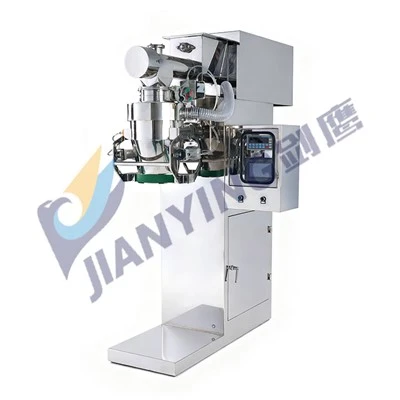
If you’re in the market for a net weighing bagger and you’re not sure which certifications you actually need for your specific product, location, or regulations, hit me up. I can walk you through what’s mandatory, what’s optional, and what will make the most sense for your operation. I don’t push extra certifications you don’t need—like, if you’re a small craft producer, I won’t sell you an overpriced ISO 22000 certified bagger when a NIST-traceable, 3-A one is all you need. If you’re a big industrial plant shipping across Europe or North America, I can hook you up with fully CE and UL certified baggers that meet every regulation. Don’t waste time guessing if your next bagger is certified—reach out, and we can work through it together.
Net Weighing Bagger References:
- International Organization for Standardization. (2015). ISO 9001:2015 Quality management systems — Requirements.
- 3-A Sanitary Standards, Inc. (2022). 3-A Sanitary Standards for Automatic Weigh Filling Machines.
- National Institute of Standards and Technology. (2021). Handbook 44: Specifications, Tolerances, and Other Technical Requirements for Weighing and Measuring Devices.
- European Commission. (2023). CE Marking: General Guide.
- Underwriters Laboratories Inc. (2020). UL 987 Standard for Household and Commercial Electrical Equipment for Food Service and Food Processing.
- International Organization for Standardization. (2018). ISO 22000:2018 Food safety management systems — Requirements for any organization in the food chain.
Wuxi Jianying Intelligent Equipment Co., Ltd.
We are one of the most professional net weighing bagger manufacturers and suppliers in China, featured by quality products and good price. Please rest assured to buy durable net weighing bagger for sale here from our factory. Welcome to contact us for custom service and OEM service.
Address: No.88, Xinyang Road, Ehu Town, Xishan District, Wuxi City, Jiangsu Province, P.R.China
E-mail: wuxijianying@163.com
WebSite: https://www.wuxijianying.com/
