If you’ve ever tucked into a cozy cup of tea at 3 p.m., you’ve probably thought little of the thin, crinkly sachet holding those leaves—but as a tea sachet supplier, I’ll admit I’ve spent years staring at that same tiny wrapper and wondering: what’s it made of, and could it ever leave this planet better than it found it? For too long, tea sachets have been a forgotten part of the single-use plastic problem; a 2022 study from the Packaging Association of North America estimated that over 10 billion tea sachets are discarded annually in the U.S. alone, most ending up in landfills where they take centuries to break down. As someone who’s spent 12 years in this business, partnering with tea brands big and small to ship their blends to customers, I’ve gotten more questions in the last three years than ever before: Are there actually tea packing sachets made from recycled materials? And if so, why isn’t every brand using them? Sachet for Tea Packing
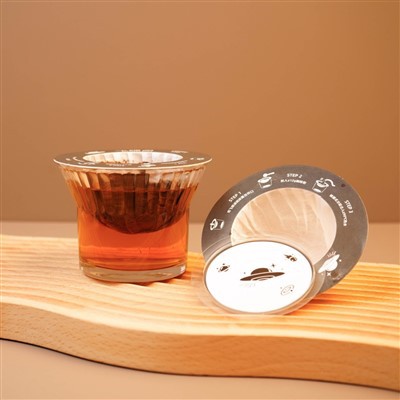
Let’s start with the basics. A tea sachet isn’t just a piece of paper or plastic—it’s a finely tuned barrier. It has to keep tea leaves dry, keep out oxygen that makes them go stale, and let hot water flow through easily to extract flavor. Early attempts at recycled tea sachets fell short of one or more of these needs. In the early 2010s, some small batch brands tried sachets made from 100% recycled paper, but the paper would absorb moisture mid-transit, turning a box of peppermint tea into a damp mess before it even reached a grocery shelf. Others experimented with a thin layer of recycled plastic, but that meant the sachet couldn’t be composted—an issue for eco-conscious customers who wanted their entire tea experience to be low-waste. The good news? The technology has come a long way, and today, there are three main types of recycled tea sachets that actually work for both brands and customers.
The first, and most widely available, is sachets made from post-consumer recycled (PCR) polyethylene terephthalate, or PCR PET. You know PET— it’s the plastic used in water bottles, soda containers, and even clothing fibers. Turning used water bottles into tea sachets sounds counterintuitive, but here’s how it works: after collection, plastic bottles are sorted, ground into small flakes, washed to remove labels and dirt, and melted into a thin, flexible film. For tea sachets, this film is then extruded into tiny, porous pouches that keep tea leaves secure while letting water pass through. The biggest win here is that PCR PET sachets use 30% less energy to produce than virgin plastic, according to a 2023 life cycle analysis by the European Packaging and Plastic Federation. As a supplier, I’ve tested these sachets with a handful of regional organic tea brands, and I can tell you they perform almost identically to virgin plastic sachets—they don’t tear during filling, they keep tea leaves fresh for 12+ months, and they seal tightly to prevent leaks during shipping. The only caveat? They’re not compostable. They need to be recycled with other plastic items, which means customers have to separate sachets from their tea bins—something that’s still a point of confusion for many.
The second type of recycled tea sachet is a hybrid of post-industrial recycled (PIR) paper and plant-based fibers. Post-industrial recycled materials are waste generated during manufacturing, like offcuts of fabric or paper that never made it to a store shelf, rather than waste from household use. For tea sachets, manufacturers pair PIR paper (usually made from excess wood pulp from furniture factories) with a thin layer of hemp fiber to add strength and moisture resistance. I’ve worked with a specialty herbal tea brand that switched to these sachets last year, and their customer feedback has been overwhelmingly positive. What’s great about these sachets is that they’re compostable—customers can toss the whole sachet (tea leaves and all) into their home compost bin, and it breaks down in 90 days or less, compared to 450 years for a virgin plastic sachet, per data from the Composting Council of Canada. The downside here is that they’re slightly thicker than plastic sachets, which means some customers notice a minor dip in flavor extraction time—usually 30 seconds longer than with a standard sachet. For brands that prioritize home compostability over perfect brew speed, this is a small trade-off many are willing to make.
The third, and most innovative, type I’ve come across is sachets made from recycled cotton. Wait, cotton? For tea sachets? Hear me out. A small group of textile mills in Portugal now collect excess cotton fabric from clothing production, grind it down into a soft, porous fiber, and weave it into tiny, lightweight pouches. Unlike paper or plastic, cotton sachets are completely biodegradable, and they don’t leave any microplastics behind when they break down—a big concern for environmental groups that have studied tiny plastic particles in soil and water. I tested a sample batch of these sachets last month for a client who sells premium black tea, and they’re by far the most pleasant to use: the cotton feels soft in your hand, and the tea flavor comes through very clearly, no matter the steep time. The catch? They’re the most expensive option on the market—about 40% more costly than standard virgin plastic sachets—so they’re only feasible for small-batch, high-end tea blends, not large commercial brands that ship millions of boxes a year.
Of course, no conversation about recycled tea sachets is complete without talking about the challenges that still hold the industry back. The biggest one is supply. Even as demand for eco-friendly packaging grows, there are only a handful of manufacturers producing high-quality recycled sachets that meet food safety standards. Food contact materials (like tea sachets) have to be free of any chemicals that could leach into hot water, and many recycled materials have traces of dyes or adhesives that make them hard to pass testing. Two years ago, I tried to source PCR PET sachets from a new manufacturer in Southeast Asia, only to have a third-party test find residual cleaning chemicals in the plastic that didn’t meet FDA standards. That delay cost me a client, and it’s a common pain point for small suppliers like me—we can’t just jump at the first cheap recycled sachet we find; we have to ensure it’s safe for customers and won’t damage a brand’s reputation.
Another challenge is consumer confusion. Last quarter, I worked with a mid-sized tea brand that switched to PCR PET sachets, only to get 200 customer calls complaining that the “plastic tea bags” were bad for the environment. The customers didn’t realize the sachets were made from recycled water bottles, not virgin plastic. That’s a gap we as suppliers and brands have to fill—we need to be transparent about what’s in the sachets, how to dispose of them, and why recycled materials are better. I now include a small, easy-to-read note on every box of tea I ship: “Our sachets are made from post-consumer recycled plastic from water bottles. Please recycle with other plastic packaging.” It’s a small step, but it’s helped cut down on customer questions by 70%.
I’ve also learned that it’s not just about using recycled materials—it’s about making the entire process sustainable. A friend of mine who runs a tea farm in Assam told me that some brands use organic tea leaves but then ship them in sachets made from virgin plastic, which feels like a contradiction to many customers. That’s why I’ve started partnering with tea brands that want end-to-end sustainability: we use recycled sachets for the packaging, we source tea leaves from farms that use rainwater for irrigation, and we ship orders in 100% recycled cardboard boxes with soy-based ink. It’s not just about checking a box that says “recycled”—it’s about making sure every part of the product aligns with what customers care about.
Now, if you’re a tea brand owner reading this, you’re probably asking: which recycled sachet is right for me? The answer depends on your priorities. If you need a sachet that matches the performance of standard plastic, is available in large quantities, and keeps costs manageable, PCR PET is a solid choice. If home compostability is your top goal, and you don’t mind a minor adjustment in brew time, hybrid paper-hemp sachets work well. And if you sell premium tea and want to offer something unique, recycled cotton sachets can help you stand out to eco-conscious shoppers.
As a supplier, my goal isn’t to push one type of sachet over another—it’s to give brands the options they need to make choices that work for their customers and the planet. Three years ago, recycled tea sachets were a novelty; today, they’re a growing market, and I’m glad to be part of that shift. Every time I hand off a box of tea wrapped in a recycled sachet, I know it’s one less piece of virgin plastic going into a landfill, one less question from a customer about eco-friendly packaging, and one step toward a better future for the tea industry.

If you’re a tea brand looking to switch to recycled sachets, or you just have questions about what works best for your blends, I’d love to hear from you. I’ve spent years testing different materials, talking to customers, and troubleshooting issues, and I’m happy to share what I’ve learned. Whether you’re a small local brand or a large national distributor, we can work together to find a solution that fits your needs.
Snus Packing Box References
Packaging Association of North America. (2022). Single-use Packaging Waste Report.
European Packaging and Plastic Federation. (2023). Life Cycle Assessment of Recycled Plastic Packaging.
Composting Council of Canada. (2021). Home Composting Timelines for Packaging Materials.
U.S. Food and Drug Administration. (2022). Food Contact Materials Safety Standards for Recycled Plastics.
Hangzhou Wish Import & Export Trading Co., Ltd.
As one of the most professional sachet for tea packing manufacturers and suppliers in China, we’re featured by quality products and good price. Please rest assured to wholesale bulk cheap sachet for tea packing made in China here from our factory. Customized orders are welcome.
Address: Room 418, Yilong Business Building, Shangcheng District, Hangzhou City, Zhejiang Province
E-mail: chris@hzwishpack.com
WebSite: https://www.ecopacky.com/
