Hey there! I’m a supplier of loading and unloading robots, and I’ve been in this game for quite some time. One question that often comes up is how our robots handle items with different surface textures. It’s a crucial aspect because in today’s diverse industries, you’ve got everything from smooth glass to rough wood, and each poses its own challenges. Loading and Unloading Robot
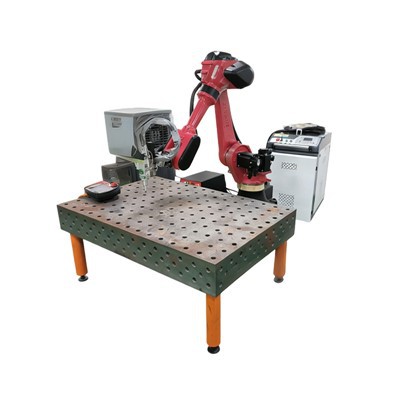
So, let’s start with the basics. When it comes to picking up items, the first thing our robots rely on is sensor technology. We’ve equipped them with a range of sensors that can detect the shape, size, and most importantly, the surface texture of an object. There are tactile sensors, for instance. These are kind of like the robot’s "fingers" that can feel the surface. They work by measuring the pressure distribution when they come in contact with an object.
For smooth surfaces, like those of polished metal parts or plastic containers, the tactile sensors can quickly determine that the surface is even and frictionless. In this case, our robots use suction cups. Suction cups are great for smooth surfaces because they create a vacuum seal, allowing the robot to lift the object securely. The suction force is adjustable, so we can make sure it’s just right for the weight and size of the item. For example, if we’re dealing with a small, lightweight glass vial, we’ll set a lower suction force to avoid breaking it. But for a larger, heavier plastic crate, we’ll crank up the suction to keep it firmly in place.
Now, let’s move on to rough surfaces. Wood, stone, or even fabric-covered items can be tricky. The rough texture means that suction cups won’t work as well because it’s hard to create a proper seal. That’s where our grippers come in. These grippers are designed with different types of materials on their surfaces. Some have rubber or silicone pads that can conform to the irregularities of a rough surface.
The grippers use a combination of force and friction to hold onto the object. The tactile sensors help the robot determine how much force to apply. If it’s a very rough and heavy piece of wood, the robot will apply more force to ensure it doesn’t slip. But if it’s a delicate fabric-covered item, the force will be much gentler to avoid damage.
We also have robots that can adjust their gripping strategy based on real-time feedback. For example, if the robot starts to sense that the item is slipping while it’s being lifted, it can immediately increase the gripping force or reposition the grippers for a better hold.
Another challenge with different surface textures is cleaning. Some surfaces may have dirt, dust, or other contaminants that can affect the robot’s ability to grip. That’s why we’ve integrated cleaning mechanisms into some of our robots. For smooth surfaces, a simple wiping or blowing system can remove loose debris before the suction cup is applied. For rough surfaces, a more thorough brushing or vacuuming process might be needed.
In addition to the physical handling, our robots are also programmed to adapt to different shapes and textures during the unloading process. When placing an item down, they need to be just as careful as when picking it up. The sensors will again assess the surface where the item is being placed to ensure a stable and secure landing.
Let’s talk about some real-world applications. In the furniture industry, our robots are used to load and unload wooden parts. These parts can have a variety of surface finishes, from rough, unfinished wood to smooth, varnished surfaces. Our robots can handle them all, using the appropriate gripping or suction method.
In the electronics industry, where delicate components with smooth surfaces are common, the suction cup system is a game-changer. It allows for precise handling of items like circuit boards without any damage.
In the food industry, we’ve developed robots that can handle items with different textures, from slippery fruits to sticky pastries. The sensors can detect the moisture content and stickiness of the food, and the grippers are designed to handle them gently without leaving any marks.
So, how do we make sure our robots are up to the task of handling all these different surface textures? Well, it’s all about continuous research and development. Our team of engineers is constantly working on improving the sensor technology, the gripping mechanisms, and the overall programming of the robots.
We also offer customized solutions for our customers. If you have a specific type of item with a unique surface texture that you need to handle, we can work with you to develop a robot that’s tailored to your requirements.
We understand that investing in a loading and unloading robot is a big decision for any business. That’s why we provide comprehensive support, including installation, training, and maintenance. Our goal is to make sure that you get the most out of your robot and that it integrates seamlessly into your existing operations.
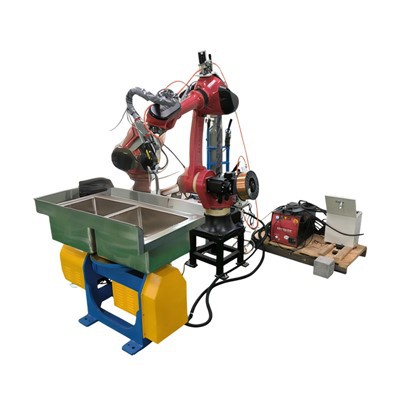
If you’re interested in learning more about how our loading and unloading robots can handle items with different surface textures, or if you want to discuss your specific needs, don’t hesitate to get in touch. We’re always happy to have a chat and see how we can help you improve your workflow and increase efficiency.
Nail Gun Robot Reference:
- "Robotics: A Practical Introduction" by George Konidaris for general knowledge on robotics and handling mechanisms.
- Industry reports from the material handling and automation sectors which highlight real – world applications of robots handling different surface textures.
Dongguan Chuanglida Intelligent Equipments Co., Ltd.
As one of the most professional loading and unloading robot manufacturers and suppliers in China, we also support customized service. Please feel free to buy discount loading and unloading robot in stock here from our factory. For price consultation, contact us.
Address: Room 201, Building 2, No. 61, Shachang 1st Road, Dalang Town, Dongguan City, Guangdong Province
E-mail: haoguangli001@outlook.com
WebSite: https://www.boruntestech.com/
