As a supplier of ES Rittal Cabinets, I often encounter customers with various inquiries about cabinet customization and optimization. One question that comes up quite frequently is, "Can I install fans in an ES Rittal Cabinet?" This query isn’t just about a simple addition but is deeply connected to the overall performance, longevity, and functionality of the electronic equipment housed within the cabinet. ES Rittal Cabinet
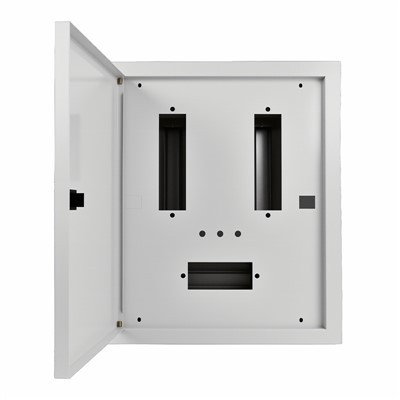
Understanding the ES Rittal Cabinet
First, let’s take a moment to understand what an ES Rittal Cabinet is. Rittal is a well – known brand in the enclosures and climate control systems industry. The ES Rittal Cabinet is designed with high – quality materials and precision engineering. It offers a robust and secure housing solution for various electronic components, from small servers to complex industrial control systems.
The cabinet’s structure is built to provide protection against environmental factors such as dust, moisture, and mechanical damage. It also adheres to strict safety and regulatory standards. However, one of the main challenges in using such cabinets is heat management. Electronic components generate heat during operation, and if not properly managed, this heat can lead to reduced performance, shortened lifespan, and even system failures.
Heat Generation and Its Impact
To fully comprehend the importance of fans in an ES Rittal Cabinet, we need to understand the heat generation process. Electronic components, like processors, power supplies, and circuit boards, dissipate heat as a by – product of their normal operation. The amount of heat generated depends on factors such as the power consumption of the components, their operating load, and the efficiency of the device.
In a confined space like an ES Rittal Cabinet, heat can quickly accumulate. High temperatures can cause several problems. For example, it can cause the electrical resistance of conductors to increase, leading to higher power consumption and potential overheating of the components. It can also accelerate the degradation of insulation materials, increasing the risk of electrical shorts. Moreover, the performance of semiconductor devices can be severely affected, resulting in slower processing speeds and more frequent errors.
The Role of Fans in Heat Management
Fans play a crucial role in heat management within an ES Rittal Cabinet. They work by creating airflow, which helps to transfer heat from the hot components to the outside environment. There are two main types of fans commonly used in cabinet cooling: intake fans and exhaust fans.
Intake fans are responsible for bringing in cool air from the outside into the cabinet. They are usually placed at the bottom or the front of the cabinet. By introducing fresh, cool air, intake fans help to maintain a lower temperature around the components. On the other hand, exhaust fans are located at the top or the rear of the cabinet. Their function is to expel the hot air that has accumulated inside the cabinet. This continuous cycle of intake and exhaust creates a steady airflow, which effectively reduces the overall temperature within the cabinet.
Can You Install Fans in an ES Rittal Cabinet?
The short answer is yes, you can install fans in an ES Rittal Cabinet. Rittal designs its cabinets with flexibility in mind, allowing for various customization options, including the installation of fans. The cabinets are often pre – drilled with mounting holes for fans, making the installation process relatively straightforward.
However, there are several factors that you need to consider before installing fans. First, you need to determine the appropriate number and size of fans. This depends on the heat load of the components inside the cabinet. You can calculate the heat load by adding up the power consumption of all the electronic devices in the cabinet. Once you have the heat load, you can refer to fan performance curves provided by the fan manufacturers to select fans with sufficient airflow capacity.
Second, the location of the fans is crucial. As mentioned earlier, intake fans should be placed at the bottom or front, and exhaust fans at the top or rear to create an efficient airflow pattern. If the fans are not properly positioned, the airflow may be disrupted, leading to hotspots within the cabinet.
Third, you need to ensure that the fans are compatible with the cabinet’s electrical system. The voltage and current requirements of the fans should match the power supply available in the cabinet. Additionally, you may need to consider the noise level of the fans, especially if the cabinet is located in a noise – sensitive environment.
Benefits of Installing Fans in an ES Rittal Cabinet
Installing fans in an ES Rittal Cabinet offers numerous benefits. Firstly, it improves the reliability of the electronic components. By maintaining a lower operating temperature, fans reduce the risk of overheating and component failure. This can lead to fewer system downtime and maintenance costs in the long run.
Secondly, fans can enhance the performance of the electronic equipment. When components operate at a lower temperature, they can function more efficiently, resulting in faster processing speeds and better overall system performance.
Thirdly, fans can extend the lifespan of the components. High temperatures accelerate the aging process of electronic devices. By keeping the temperature in check, fans help to slow down this aging process, allowing the components to last longer.
Installation Process
The installation process of fans in an ES Rittal Cabinet is relatively simple but requires careful attention to detail. Here are the general steps:
- Prepare the Tools: You will need basic tools such as a screwdriver, drill (if necessary), and wire cutters/strippers.
- Choose the Mounting Location: Based on the airflow design, select the appropriate locations for the intake and exhaust fans.
- Remove the Cover Plates: If there are cover plates on the selected mounting locations, carefully remove them using a screwdriver.
- Mount the Fans: Place the fans in the mounting holes and secure them using screws. Make sure the fans are properly aligned and tightened.
- Connect the Wires: Follow the wiring instructions provided by the fan manufacturer to connect the fans to the power supply in the cabinet. Use appropriate wire connectors and ensure that all connections are secure.
- Test the Fans: After the installation is complete, power on the cabinet and check if the fans are working properly. Listen for any abnormal noises and ensure that there is a steady airflow.
Conclusion
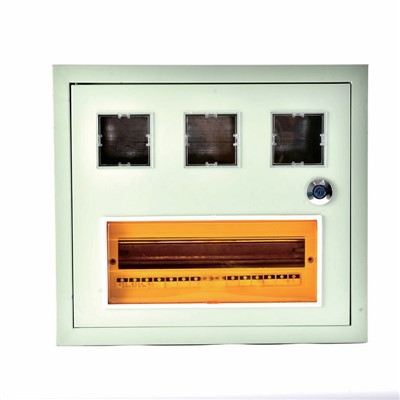
In conclusion, installing fans in an ES Rittal Cabinet is not only possible but also highly beneficial. It helps to manage the heat generated by the electronic components, improving their reliability, performance, and lifespan. As a supplier of ES Rittal Cabinets, we are committed to providing our customers with the best solutions for their cabinet needs. If you are considering installing fans in your ES Rittal Cabinet or have any other related questions, we welcome you to contact us for further discussion and procurement. We can offer professional advice on fan selection, installation, and other cabinet customization options.
Electrical Enclosure Don’t hesitate to reach out to us for more information about how we can help you optimize your ES Rittal Cabinet. Let’s work together to ensure the efficient and reliable operation of your electronic equipment.
References
- Rittal. (20XX). ES Cabinet Product Manual.
- Electronics Cooling Handbook. (Publisher, Year).
- Fan Manufacturer’s Technical Datasheets.
Shandong Qinghua Yike Electric Co., Ltd.
As one of the most experienced es rittal cabinet manufacturers in China, we also support customized service. We warmly welcome you to buy durable es rittal cabinet for sale here from our factory. If you have any enquiry about cooperation, please feel free to email us.
Address: No. 378 Taozhuang Village, Zaoyuan Town, Lanshan District, Linyi City, Shandong Province
E-mail: admin@sd-qhyk.com
WebSite: https://www.qhecobox.com/
