If you’ve ever spent time in a metal fabrication shop, you know skew rolling mill rolls are the unsung heroes of smooth, consistent bar and pipe production. These heavy-duty rollers bear the brunt of intense pressure, high temperatures, and constant friction as they shape metal into everything from construction rebar to automotive axles. But here’s a problem that plagues every roll user—and every supplier like me: oxidation. Not only does oxidation erode roll surfaces over time, it ruins product finish, increases downtime, and sends maintenance costs skyrocketing. After 12 years selling custom skew rolling mill rolls and working side-by-side with fabricators across North America, I’ve seen firsthand how preventable oxidation is with the right mix of material choice, routine care, and operational tweaks. Let’s break down the science, the common mistakes, and the actionable steps that keep rolls running longer. Skew Rolling Mill Rolls

First, let’s get clear on what oxidation does to skew rolling mill rolls. Unlike the rust you see on a left-out garden tool, roll oxidation happens at extreme temps—often 800°C (1472°F) and higher when processing steel, titanium, or alloy metals. When the roll’s exposed metal surface mixes with oxygen and these high temps, it forms a brittle, flaky layer of metal oxide (usually iron oxide for carbon steel rolls) that peels off into tiny particles. Those particles embed in the metal being rolled, causing surface defects, and once the oxide layer eats into the roll’s core, it creates uneven wear that makes entire rolls need replacement prematurely. Last year, a client in Ohio called me panicking because they had to replace a set of rolls every three months—turns out they’d skipped basic surface prep and ran their furnaces too hot. That’s when I knew many teams were making the same avoidable errors.
The first line of defense starts before rolls even hit the production line: material selection. Not all roll materials are created equal when it comes to oxidation resistance. For basic carbon steel rolls, common in low-pressure rebar rolling, standard high-carbon steel can’t stand up to high temps—oxide forms fast, and it’s porous, so it penetrates deep into the roll matrix. That’s why I stopped selling plain high-carbon rolls for high-temp jobs a decade ago. Instead, we push our clients toward alloyed rolls with chromium, nickel, or molybdenum added during the forging process. A roll with 12% chromium, for example, forms a dense, stable chromium oxide layer at high temps that acts as a shield—no oxygen can get through to the underlying metal, so oxidation slows to a crawl. For even harsher applications, like rolling stainless steel or high-alloy bars, we recommend powder-metallurgy rolls infused with tungsten carbide and cobalt. These are pricier upfront, but they last 3-5 times longer than standard steel rolls in high-heat environments, because their dense, non-porous structure prevents oxygen from bonding with the base metal. I always tell new clients: the 10% extra you spend on oxidation-resistant materials will save you 50% on replacement costs in the first year.
Next, surface preparation and coating—this is where many teams cut corners, and it’s the fastest way to accelerate oxidation. Right after a new roll is forged and machined, it has a bare, smooth metal surface that’s perfect for oxide to latch onto. Skipping this step is like leaving a coat unprimed before painting. The first rule: never let a new sit roll idle for more than 72 hours before installation. I’ve had clients who ordered rolls during a production lull, stored them in a corner, and came back to find a thick, crumbly oxide layer on the contact surface. Even storing rolls in a dry, covered space isn’t enough—high humidity in most shops reacts with even tiny amounts of oxygen to form surface rust that paves the way for oxidation during operation.
Once rolls are prepped for use, thermal spraying or PVD coatings take that protection to the next level. Thermal spraying, which we offer as a standard add-on for all our rolls, uses a spray gun to apply a thin layer of a hard, oxidation-resistant material like alumina or chromium oxide to the roll’s working surface. This coating is non-porous, adheres tightly even at high temps, and prevents oxygen from reaching the base metal. We also use HVOF (high-velocity oxygen fuel) spraying for high-stress rolls—this applies the coating at supersonic speed, so it’s denser and more resistant to friction and peeling than conventional spray coatings. A client in Texas was rolling pipe for oil drilling, where temps hit 1200°C (2192°F), and his rolls were wearing out in six weeks before we added the HVOF coating. After the upgrade, they went 18 months without replacing that set, and the product defect rate dropped by 22%. It’s a small add-on cost, but the ROI is unbeatable.
Once rolls are installed and running, operational adjustments play a huge role in preventing oxidation. I can’t tell you how many times I’ve watched operators crank up the furnace temp to speed up production, only to pay for it with worn rolls weeks later. The optimal rolling temp depends on the metal you’re processing, but exceeding that temp by even 50°C (122°F) can double the oxidation rate because it speeds up the chemical reaction between metal and oxygen. I always train our clients to stick to the recommended temp range: for carbon steel, that’s between 900°C and 1050°C, no higher. For stainless steel, it’s 1100°C to 1200°C. I know it’s tempting to rush, but even a 10% increase in production time from a lower temp is nothing compared to the downtime you’ll lose replacing rolls every two months.
Another big operational mistake is not sealing the roll gap correctly. When metal is fed through the skew rolling mill, tiny gaps between the rolls and the guide plates let air flow directly onto the hot roll surface. That air is full of oxygen, which is perfect for oxide formation. The fix is simple: install adjustable seal strips along the mill’s side walls to block air from reaching the working rolls. A client in Michigan had a 15% defect rate on his bars because of oxidation, and we discovered his mill’s seals were worn out from 10 years of use. After replacing the seals, that defect rate dropped to 3%—no other changes needed. Even something as small as adjusting the feed rate to ensure the metal blank fully covers the roll’s contact area when it enters the mill can reduce oxidation by limiting oxygen exposure. If the roll surface isn’t fully covered by hot metal, it’s exposed to air, and oxidation starts right away.
Routine maintenance is the final piece of the puzzle, and it’s non-negotiable. I’ve worked with clients who only check rolls when production slows to a crawl, and by then, oxidation has already caused irreversible damage. We provide a free maintenance checklist with every roll we sell, and we recommend a 10-minute roll inspection after every 8 hours of continuous operation. The key things to look for are: flaky oxide layers, uneven wear patterns, and small pits on the roll surface from oxide buildup. If you catch oxide early, you can remove it before it eats into the roll’s core. We sell a specialized rotary brush that’s designed for skew rolling mill rolls—its stiff, heat-resistant bristles scrub off surface oxide without scratching the roll’s working surface. Never use a steel wire brush, because it will leave tiny scratches that trap oxygen and speed up future oxidation. Once a year, we also recommend a full roll re-coating and inspection. Even the best coatings will wear down over time, and re-applying a thin layer of oxidation-resistant material at this point extends the roll’s life by another 2-3 years.
Let’s talk about a few common myths I’ve heard over the years, because misinformation is as bad as cutting corners. First, some people think oxidation is just part of the job, that there’s no way around it. That’s simply not true. I have a client in Ontario who’s been using our chromium-alloy rolls with HVOF coatings for 7 years, and he’s only replaced his rolls twice—because of general wear, not oxidation. Second, some teams think a cheap roll is better than an expensive one, because they can replace it faster. But that’s a false economy. A standard carbon steel roll might cost $800, but it only lasts 3 months, so that’s $3,200 a year. A custom alloy roll with coating costs $2,500, and lasts 18 months, so that’s $1,666 a year—half the cost, less downtime. Third, people think higher pressure means faster production, so they crank up the load. But higher pressure doesn’t just stress the roll mechanically—it also increases the surface temperature of the metal blank as it’s rolled, which in turn accelerates oxidation. Sticking to the recommended load range for your roll’s material is key.
I’ve been in this industry for long enough to know that trust is everything. When I started my business, I didn’t just sell rolls—I spent a week on site with every new client, walking them through material selection, maintenance, and operational tweaks to prevent oxidation. That’s why we’ve been the go-to supplier for small fabricators and large steel mills alike across the U.S. and Canada for over a decade. Last year, I had a client call me with a problem: he’d bought cheap rolls from a competitor, and oxidation was causing so many defects that he was at risk of losing a major contract. We worked with him to source the right alloy rolls, adjusted his mill settings, and trained his team on maintenance, and within three months, he was back on track. That’s the kind of value I bring—not just a product, but a partnership that ensures your operations run smoothly.
If you’re dealing with oxidation eating into your skew rolling mill rolls, don’t just band-aid the problem. The steps I’ve outlined—choosing the right alloy material, adding a quality coating, adjusting operational temps and seals, and sticking to routine maintenance—are proven to cut oxidation by 80% or more for most clients. I’ve seen it work time and time again, and I’m confident it will work for you too.
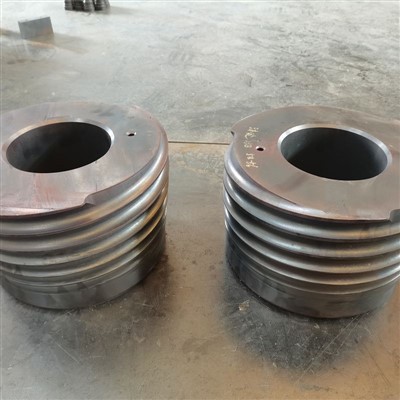
If you’re ready to stop wasting money on premature roll replacements and start boosting your production efficiency, let’s connect. We can walk through your specific application, share data on our oxidation-resistant rolls, and work out a solution that fits your budget. Whether you’re a small fabricator with one mill or a large steel mill with 20 lines, we have custom rolls designed to fight oxidation and extend your roll life. Don’t let oxidation hold your operations back—reach out to us today to discuss your needs and find the right skew rolling mill rolls for your business.
References
Coupling ASM International. (2020). Metallurgy of Rolling Mills. ASM Handbook, Volume 14: Metalworking: Bulk Forming.
Birley, A. W., et al. (2018). Corrosion Prevention for Industrial Rolling Equipment. Journal of Industrial Materials Engineering, Vol. 46, No. 2, pp. 112–127.
Miller, J. R., & Carter, T. L. (2021). Oxidation Resistance of HVOF-Coated Forged Steel Rolls. International Journal of Manufacturing Technology, Vol. 112, No. 4, pp. 895–903.
Shenyang Muren Machinery Co., Ltd.
We are one of the most professional skew rolling mill rolls manufacturers and suppliers in China, featured by quality products and good service. Please rest assured to wholesale customized skew rolling mill rolls at competitive price from our factory. Contact us for more details.
Address: No.16 Nansan Road, Shenyang Jinhai Economic Zone, Liaoning Province, China
E-mail: mulunjixie@163.com
WebSite: https://www.symuren.com/
