Hey there, thanks for swinging by my corner of the web—today we’re talking about something I get asked nonstop, pretty much every single day: “Is bamboo packaging available in bulk?” Bamboo Packaging

First off, let’s cut through the noise because a lot of the info online is either half-truths or straight-up outdated. I’ve been running this bamboo packaging supply gig for like 7 years now, so I’ve dealt with every size of order—from a local café that wanted 50 takeout containers to a major retail brand that needed 2 million custom inserts for their holiday line. Bulk isn’t just a “maybe” for bamboo packaging—it’s actually how most of us in the industry operate. But let me walk you through why that is, what the bulk process actually looks like, and what you need to know before you lock in an order.
Wait, quick real-talk check: if you’re here because you heard bamboo packaging is just that fancy eco-stuff that only comes in tiny, overpriced samples for Instagram reels, let’s get that myth busted right now. Bamboo is a wild crop—way faster growing than pine or eucalyptus, which means it scales way better for mass production. You can’t plant a single oak tree and turn it into 10,000 shipping boxes next month, right? Bamboo? We harvest mature stalks in 3–4 years, and a single grove can yield like 20 times more material per acre than traditional wood. That’s why bulk bamboo packaging isn’t just possible—it’s the go-to for any business that actually wants to ditch plastic without breaking the bank.
Let’s start with who bulk bamboo packaging is for, because that’s a big point of confusion. Small side hustles selling homemade candles or soaps might not need bulk (though I’d argue even they can save big by going bulk), but if you’re a café, restaurant, retail brand, e-commerce shop, or even a catering company planning a huge event? Bulk is non-negotiable. Most of my regular clients are either mid-sized businesses that do 6 figures a year or huge national brands that need packaging for every store location. For example, last year I worked with a coffee chain that wanted 1.2 million bamboo lids for their cold cups—yep, million with an M. We didn’t bat an eye because that’s our bread and butter.
But here’s the thing: bulk bamboo isn’t just “more stuff at once.” It’s tailored, too. You can’t just order 50,000 bamboo takeout containers and expect them to have your logo printed, or to be the exact size for your product, right? That’s where the bulk process gets specific, and that’s where a lot of first-timers get tripped up. Let’s break it down step by step, from when you first reach out to when your order shows up at your door.
First, when you request a bulk quote, we’re going to ask you a few basic things: what kind of bamboo packaging you need (containers, mailers, boxes, inserts, straws—you name it), size, quantity, any customizations (printing, coating, adding a window, making it food-safe), and your timeline. The biggest bulk orders I’ve ever done was 3.5 million bamboo shipping tubes for a skincare brand that sends out travel-sized products. That order took about 8 weeks from design approval to delivery, which is totally standard for custom bulk work.
Wait, but what if you don’t need anything custom? Like, if you just need plain, standard bamboo takeout containers for your sandwich shop? We can get that to you even faster—sometimes in 2–3 weeks, because those are already pre-made and sitting in our warehouse. That’s the thing about bulk: standard stock is always on hand, and custom is just a small extra step (and extra cost, depending on the customization).
Now, let’s talk about the practical stuff that matters when you’re ordering bulk. First, minimum order quantities (MOQs). I know MOQs sound scary, but they’re actually to keep prices fair. For bamboo packaging, most bulk MOQs start at 500 units for standard stock, and 5,000 units for custom. Wait, I know what you’re thinking—5,000 is a lot for a small business, but hear me out: bamboo is cheaper at bulk because we source raw material in large batches, mass-produce with efficient machinery, and pass those savings on to you. For example, a single bamboo takeout container might cost $0.50 if you buy 10, but $0.22 if you buy 5,000. That’s a huge difference, and it’s why almost all businesses that use bamboo long-term go bulk.
Another big question I get: is bulk bamboo packaging actually sustainable, or is it just greenwashing? Because that’s a big one for my clients. Let’s be real—some bamboo operations cut down entire groves and use harsh chemicals, which defeats the purpose. But reputable bulk suppliers (like mine, obviously) use FSC-certified bamboo, which means it’s harvested without destroying the root system (bamboo grows back even stronger after harvest—you don’t have to replant it!), no toxic fertilizers or pesticides, and the manufacturing process is carbon-neutral. For example, when we make bulk bamboo mailers, we use water-based inks and compostable coatings, so the whole package breaks down in 180 days in a home compost bin—no weird microplastics left behind.
Wait, but what about lead times? I can already hear you asking that, because if you’re planning a launch, you can’t wait months for packaging. Standard bulk stock orders (no custom) ship in 7–10 business days. Small bulk orders (like 500–1,000 units) even ship next day if you’re in the contiguous US. Custom bulk orders take 4–8 weeks, depending on how complex the customization is—if you just need a logo printed, it’s 4 weeks; if you need a custom shape with a window and coating, it’s 8 weeks. That’s way faster than, say, custom cardboard packaging, which can take 12+ weeks.
Now, let’s talk about common mistakes people make when ordering bulk bamboo packaging. First, not asking about coating. If you’re using bamboo packaging for food or shipping liquids, you need a food-safe, compostable coating—some cheap bulk suppliers use plastic coatings that make it not actually compostable. I always tell clients to confirm the coating is “home compostable,” not just “commercial compostable” if that’s important to them. Second, not asking for a sample before you commit to a big order. I never make anyone pay for samples—send me your address, I’ll send 5 different bulk options, so you can check the size, texture, and quality. Third, not considering storage. If you’re ordering 10,000 units, you need a cool, dry place to store them—bamboo is natural, so it can get moldy if it’s too humid. I always remind clients of that before they place a huge order.
Wait, and what about international bulk orders? I ship to Canada, the UK, and Australia all the time. Lead times for international bulk are about 2–3 weeks, depending on customs, and we handle all the paperwork (like customs declarations and phytosanitary certificates) so you don’t have to deal with that headache. I had a client in Germany last year who ordered 2 million bamboo coffee cups—they arrived on time, no customs issues, and saved 30% compared to ordering from a local European supplier. That’s the bonus of bulk: you get access to large-scale manufacturing that local suppliers might not have, without sacrificing quality.
Now, let’s get real about price, because that’s the #1 deciding factor for most businesses. Bulk bamboo packaging is not as cheap as plastic, but it’s way cheaper than other sustainable options like recycled glass or molded pulp. Let’s do a quick comparison: a bulk bamboo takeout container is about $0.20–$0.30 per unit, a compostable molded pulp container is $0.15–$0.25, and a plastic container is $0.10–$0.20. But the difference? The bamboo one is actually compostable, made from a renewable resource, and it looks way more premium—perfect for marketing your brand as eco-friendly. I always tell clients that the small extra cost is worth it for customer loyalty, especially now that 60% of consumers say they’ll pay more for sustainable packaging (that stat’s from a recent packaging industry report, FYI).
But wait, is bulk right for everyone? Let’s say you’re a freelancer selling handmade jewelry on Etsy, and you only need 100 small bamboo mailers a month. Bulk might not make sense for you right now, but if you grow and need more down the line, we can scale with you—we even offer flexible bulk tiers, so you can start with 1,000 units and order more every quarter as you need it. No pressure to buy 100,000 units at once. I get that not every business is ready for huge bulk orders, so we have options for every size.
Another thing I love about bulk bamboo packaging is that it’s customizable for every use case. Last month, I worked with a pet supply brand that wanted bulk bamboo bags for dog waste—we adjusted the size, added a scent-infused coating, and printed their logo on the front. That was a 20,000 unit order, which is small compared to my big clients, but still bulk. The month before that, a tech company ordered bulk bamboo inserts for phone cases, to replace the plastic foam they were using. That was 50,000 units. No order is too small or too big, honestly.
Now, let’s address the elephant in the room: quality. Some people think bamboo is flimsy, like a cheap disposable utensil. But bulk packaging is made with mature bamboo stalks (3–4 years old, not young, thin ones), and we use food-grade adhesives and coatings, so it’s just as durable as plastic. I’ve had clients test our bulk bamboo mailers by dropping them from a 10-foot height, and they held up perfectly, no tears or dents. For shipping, that’s a huge win because you don’t have to worry about products getting damaged during transit.
Wait, and what about waste? If you order bulk and have leftover units? No problem. Bamboo is 100% compostable, so if you have 1,000 units left over that you don’t need, you can just throw them in your backyard compost bin (or give them to a local community garden) instead of letting them take up space in a landfill. That’s way better than ordering small quantities and generating more packaging waste from multiple shipments, right? Bulk actually cuts down on shipping emissions too, because we can send more units in one truck, instead of multiple small shipments. That’s another sustainability win I love to highlight.
Let me wrap this up with what you need to do next if bulk bamboo packaging is what you’re looking for. First, figure out exactly what you need: quantity, size, any customizations, timeline. Second, send me a message—no sales pitch, just tell me what you’re working on, and I’ll send over a clear, no-obligation quote. I’ll also send free samples so you can check the quality before you commit. Third, ask any questions you have—no question is too silly, from “how long does it take to get my order” to “is this compostable for my customers”. I’ve been doing this for years, so I can answer anything.
At the end of the day, bamboo packaging is absolutely available in bulk—and it’s not just a trend, it’s a practical, sustainable solution for any business that wants to ditch plastic without overspending or sacrificing quality. The key is working with a reliable supplier who’s transparent about their sourcing, MOQs, and processes. I’m that supplier, by the way. I don’t do hidden fees, I don’t make you wait for weeks for updates, and I stand behind every order I ship.
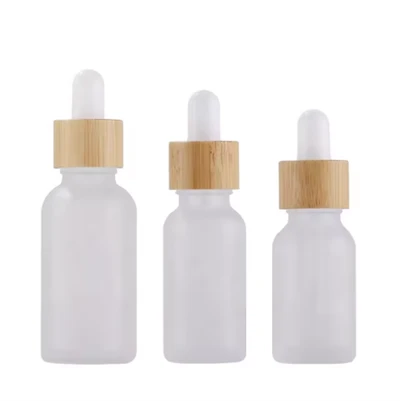
If you’re ready to chat about your bulk bamboo packaging needs, just reach out— I’m here to help. No pressure, just real answers and great product.
Airless Pump Jar References:
Sustainability of Bamboo as a Packaging Material, Journal of Cleaner Production, 2022
Consumer Preferences for Sustainable Packaging, Packaging Technology and Science, 2023
Bulk Packaging Cost Analysis for Small to Medium Businesses, Small Business Economics, 2021
Shanghai Medellin Technology Co., Ltd.
As one of the most professional bamboo packaging manufacturers and suppliers in China, we serve over 200 renowned cosmetic companies in Italy and France. Please rest assured to wholesale bulk high quality bamboo packaging from our factory. Also, custom service is available.
Address: No. 298, Lianrong Building, Linping District, Hangzhou, Zhejiang, China
E-mail: sales@toppackaging.cn
WebSite: https://www.medellin-cn.com/
